Bunker-fired plants produced 984.2 GWh between January and September, against 282.7 GWh a year earlier, and the average wholesale price reached USD 192.07 per MWh in September.
El Salvador has relied far more on thermal power plants burning bunker fuel this year as low rainfall has limited hydroelectric generation, La Prensa Gráfica reported on 17 November, citing the latest report of the Unidad de Transacciones (UT), the operator of the wholesale electricity market.
Between January and September 2026, thermal plants generated 984.2 gigawatt-hours (GWh), compared with 282.7 GWh in the same period of 2025, an increase of 248%. In September alone thermal generation reached 179.97 GWh, or 26.76% of the electricity mix, against 13.40 GWh in September 2025, when hydroelectric plants supplied 49.80% of the mix. The thermal share has risen steadily since May, when the rainfall deficit linked to El Niño began.
The shift has coincided with higher prices. According to the UT, the average cost of a megawatt-hour (MWh) was USD 192.07 in September, against USD 88.43 a year earlier, an increase of 117.2%. International oil prices have been volatile during the year and rose above USD 100 a barrel in March, the newspaper noted.
Ismael Sánchez, a professor of energy sciences at the Universidad Centroamericana José Simeón Cañas (UCA), said the reservoirs had been at their limit and that the whole region had faced the same situation. He said the higher generation cost had not been passed directly to household bills and that the government's energy directorate was probably setting reference prices and subsidising part of the cost; the authorities have not said how much is being spent on electricity subsidies.
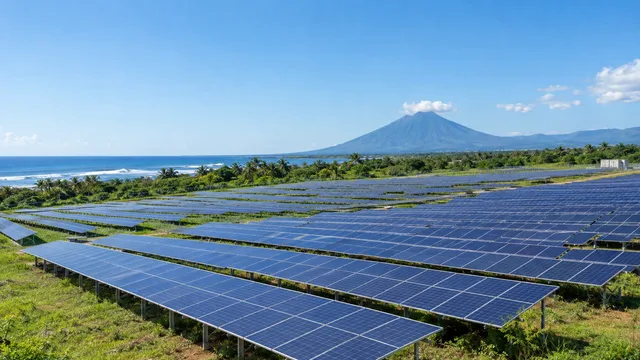
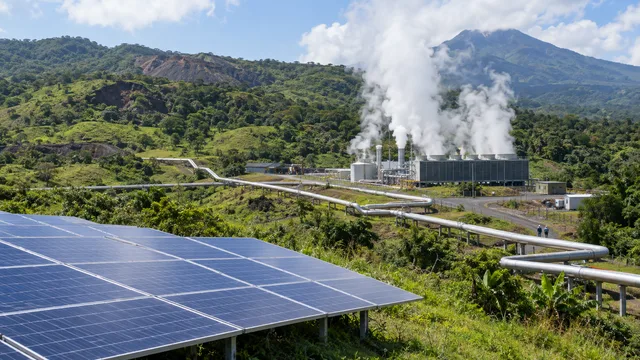
Sánchez did not expect abundant rain in the coming months. Other sources could reduce dependence on bunker fuel: new geothermal investment is expected next year, sugar mills will start generating electricity at the end of December, and solar generation, whose share has grown in recent years, could keep expanding in 2027.

 Energy