
Salvadoran Food: Pupusas, Tamales and Coffee
Pupusas
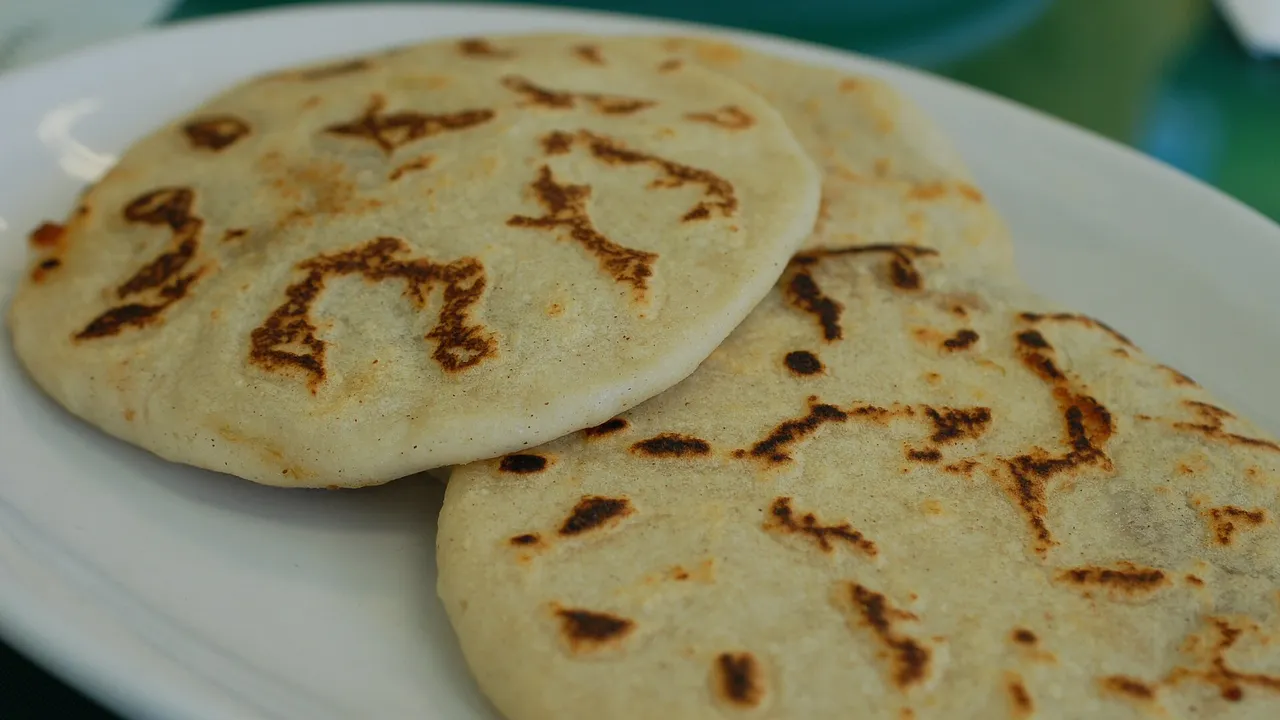
- What they are: a tortilla of maize or rice dough filled with cheese, beans, chicharrón (pork), cheese with loroco (an edible flower bud) or ayote (squash). Revueltas mix pork, cheese and beans.
- How they are served: with curtido, a pickled cabbage slaw, and a light tomato sauce, often with horchata, coffee or chocolate. Many Salvadorans eat them at breakfast or dinner.
- National Pupusa Day: Decree 655 of 2005 declared the pupusa the national dish «because of its native origin and popular acceptance» and set the second Sunday of November as its day. In 2026, Olocuilta marked the day with a pupusa 5.5 metres across.
Source: El Salvador Travel: Salvadoran food, the most typical dishes; Legislative Assembly: Decree 655 of 1 April 2005, the pupusa as national dish and National Pupusa Day (PDF, in Spanish); Infobae: the Pupusa Festival in Olocuilta, 8 November 20264,1,5
Other dishes
- Tamales: maize dough with chicken, beans, cheese or herbs, wrapped in a banana leaf. They have a pre-Hispanic origin, are served at wakes and are also eaten after Christmas Eve; one researcher counts 43 varieties.
- Yuca: fried or boiled cassava with chicharrón and pepescas, small fried fish, plus tomato sauce and curtido.
- Plantain empanadas: ripe plantain filled with beans or milk custard and covered in sugar, an afternoon snack.
- Regional dishes: chilayo, a beef soup with sour orange, in the confraternities of Izalco; chipilín soup with pork in Panchimalco; and different tamales from east to west.
Source: El Salvador Travel: Salvadoran food, the most typical dishes; Ministry of Culture: an evening of stories about food at MUNA; Ministry of Culture: a food broadcast from El Salvador4,2,6
Coffee
Coffee has been the basis of the economy since the 19th century and still grows on the volcanic highlands, including the Ruta de las Flores. Exports earned more than USD 196.05 million in the cycle from October 2025 to September 2026, up 12%, and North America bought 64% of the volume. See coffee and sugar for the industry.7,3
Sources
- Legislative Assembly: Decree 655 of 1 April 2005, the pupusa as national dish and National Pupusa Day (PDF, in Spanish)
- Ministry of Culture: an evening of stories about food at MUNA (in Spanish)
- ABC Color (EFE): Salvadoran coffee export income grew 12% at the close of the 2025–2026 cycle, 5 November 2026 (in Spanish)
- El Salvador Travel: Salvadoran food, the most typical dishes (in Spanish)
- Infobae: the Pupusa Festival in Olocuilta, 8 November 2026 (in Spanish)
- Ministry of Culture: a food broadcast from El Salvador (in Spanish)
- Encyclopaedia Britannica: El Salvador, history
Facts checked 9 November 2026. Prepared by InvestSalvador.com for general information.