
Culture and Traditions of El Salvador
Festivals through the year
| When | Tradition | Where |
|---|---|---|
| March or April | Holy Week processions | Across the country |
| Early May | Confraternity of Flowers and Palms | Panchimalco |
| 3 to 6 August | August festivities of the Divine Saviour of the World | San Salvador |
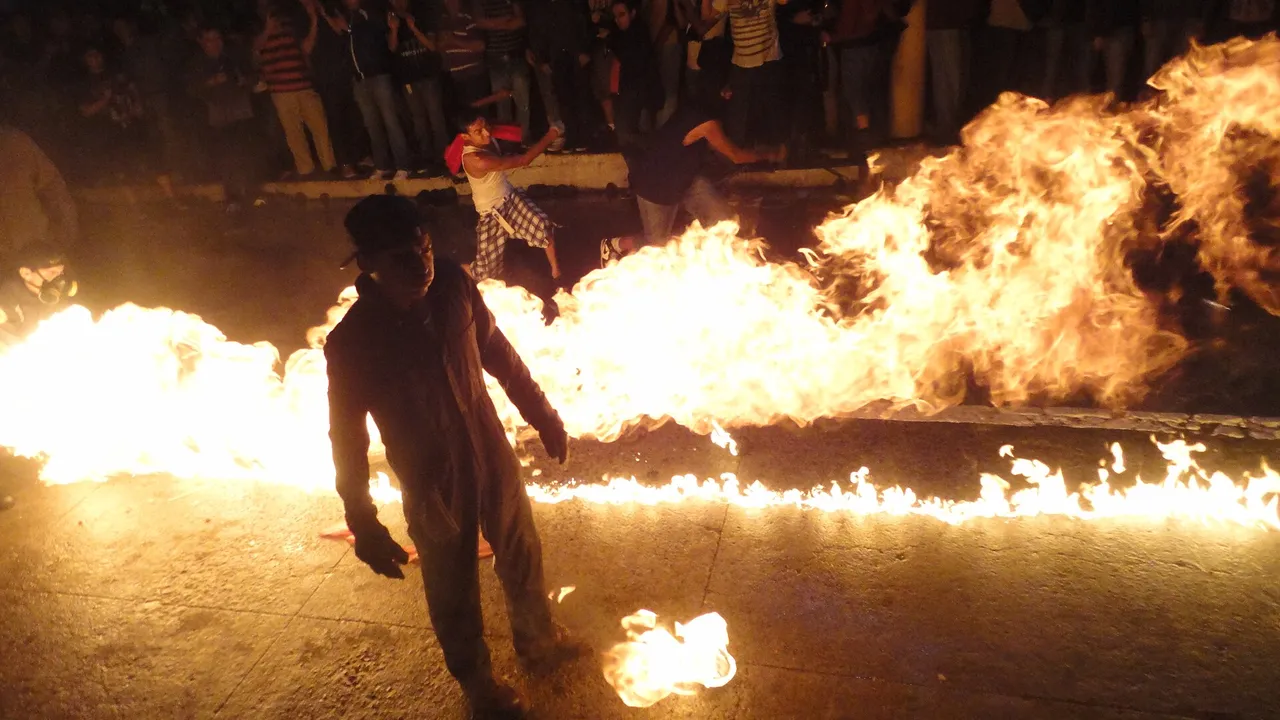
| 31 August | Bolas de Fuego, or La Recuerda | Nejapa |
| First Sunday of October | Day of the Ruta de las Flores | Ahuachapán and Sonsonate |
| 2 November | All Souls' Day | Across the country |
| Second Sunday of November | National Pupusa Day | Across the country |
Source: Supreme Court of Justice: Labour Code of El Salvador, paid public holidays, articles 190 to 195 (PDF, in Spanish); Ministry of Culture: Panchimalco will hold the XLII Cultural Fair of Flowers and Palms; Ministry of Culture: the Bolas de Fuego of Nejapa; El Salvador Travel: the Ruta de las Flores, nature, adventure, coffee and food; Legislative Assembly: Decree 655 of 1 April 2005, the pupusa as national dish and National Pupusa Day (PDF, in Spanish)5,6,3,7,8
The Flowers and Palms of Panchimalco
In Panchimalco, south of San Salvador, the community carries palms decorated with wildflowers in a procession at the start of the rainy and harvest season, with traditional dances such as Los Historiantes and Los Chapetones, music and prayers. The confraternity is run by community members with set roles, and the skills pass down within families. UNESCO inscribed it on its Representative List in December 2025, the country's first inscription.1,6
The fireballs of Nejapa
Every 31 August, during the festival of its patron saint, San Jerónimo, two teams of young residents of Nejapa throw burning balls of rag at each other in the main street for about two hours. Oral tradition links the custom to the eruption of El Playón volcano in 1658, which destroyed the old town; the festival in its current form dates from 1922. The Ministry of Culture declared it a Cultural Asset in 2019. Only residents take part; visitors watch from the sides.3,9
Faith, language and heritage
- Religion: Roman Catholics were 43.9% of the population in 2023 and Protestants 39.6%; 16.3% had no religion.
- Patron saints: every town has its patron saint festival, and its main day is a local paid holiday.
- Nawat: Spanish is the official language; Nawat, the language of the Pipil, is still spoken by some Indigenous people.
- Joya de Cerén: a farming village buried by a volcanic eruption around AD 600, inscribed as a World Heritage site in 1993; see archaeological sites.
- Writers and artists: see famous Salvadorans.
Source: CIA World Factbook archive: El Salvador, 2025 edition; Supreme Court of Justice: Labour Code of El Salvador, paid public holidays, articles 190 to 195 (PDF, in Spanish); UNESCO World Heritage Centre: Joya de Cerén Archaeological Site4,5,2
Sources
- UNESCO Intangible Cultural Heritage: the Confraternity of flowers and palms (El Salvador, 2025)
- UNESCO World Heritage Centre: Joya de Cerén Archaeological Site
- Ministry of Culture: the Bolas de Fuego of Nejapa (in Spanish)
- CIA World Factbook archive: El Salvador, 2025 edition
- Supreme Court of Justice: Labour Code of El Salvador, paid public holidays, articles 190 to 195 (PDF, in Spanish)
- Ministry of Culture: Panchimalco will hold the XLII Cultural Fair of Flowers and Palms (in Spanish)
- El Salvador Travel: the Ruta de las Flores, nature, adventure, coffee and food (in Spanish)
- Legislative Assembly: Decree 655 of 1 April 2005, the pupusa as national dish and National Pupusa Day (PDF, in Spanish)
- The Tico Times: El Salvador's fireball festival lights up Nejapa, 29 August 2026
Facts checked 9 November 2026. Prepared by InvestSalvador.com for general information.